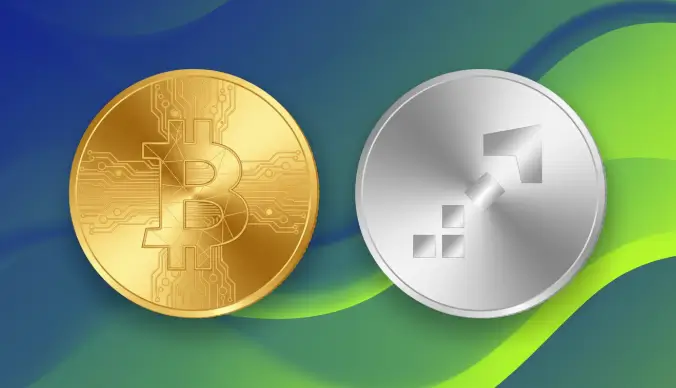
Altcoins are cryptocurrencies launched after Bitcoin, aiming to differ in governance, security, or use cases. They span payments, smart contracts, and beyond, often employing varied consensus mechanisms that affect speed and finality. Their value hinges on technical maturity, real-world viability, and adoption, with privacy and data exposure shaping incentives. This landscape presents opportunities and risks tied to differentiation and execution, inviting scrutiny of which projects meaningfully advance finance and governance, and why that progress matters now.
What Are Altcoins and How They Differ From Bitcoin
Altcoins are any cryptocurrencies launched after Bitcoin, intended to improve on or differ from Bitcoin’s design, goals, or use cases. They vary in governance, security, and value proposition, with distinct consensus mechanisms and incentives.
Types of consensus influence speed and finality, while privacy features affect data exposure.
Critics cite market fragmentation and uncertain traction, underscoring the need for rigorous, transparent evaluation.
Altcoin Uses: Payments, Smart Contracts, and Beyond
Although payments and smart contracts are common touchstones, altcoins pursue a broader spectrum of use cases. In practice, they enable cross-border settlement, programmable finance, and decentralized governance, with varying degrees of reliability and latency. Payments innovating alongside scalable networks illustrate divergent architectures.
Governance models influence roadmap fairness, token distribution, and participation thresholds, shaping incentives and risk. Critically, maturity and real-world adoption remain uneven.
How to Evaluate Altcoins: Tech Maturity, Use Case Viability, and Adoption
Evaluating altcoins hinges on three core dimensions: technical maturity, the viability of their stated use cases, and observed market adoption.
Tech maturity gauges code quality, security, and upgrade cadence, while use case viability evaluates problem clarity and competitive advantage.
Adoption reflects network activity and real-world deployments, not hype.
Findings should be data-driven, skeptical, and oriented toward readers seeking financial freedom.
See also: How Tech Fuels E‑Commerce Growth: A Foundational Overview
Why Altcoins Matter Today: Opportunities, Risks, and Market Trends
Could altcoins reshape the crypto ecosystem today, or are their so-called advantages overstated? The landscape presents clear opportunities for diversification and innovation, yet empirical signals show uneven adoption and scalability hurdles. Investors pursue opportunity assessment and sector-specific catalysts, while risk management remains paramount amid regulatory shifts and market volatility. Trends point to maturation gaps, liquidity constraints, and evolving governance affecting long-term value and resilience.
Conclusion
Altcoins promise variety where Bitcoin stagnates, and investors nibble at potential rather than proven value. The data say adoption and utility remain uneven, governance uncertain, and security models diverse. Irony: innovation thrives where scrutiny weakens—yet that same fragility fuels risk. In a market hungry for use cases, many altcoins prove durable only in headlines and hype. The rhythm of progress persists, but the cadence of reality often lags, reminding readers that complexity ≠ reliability.
