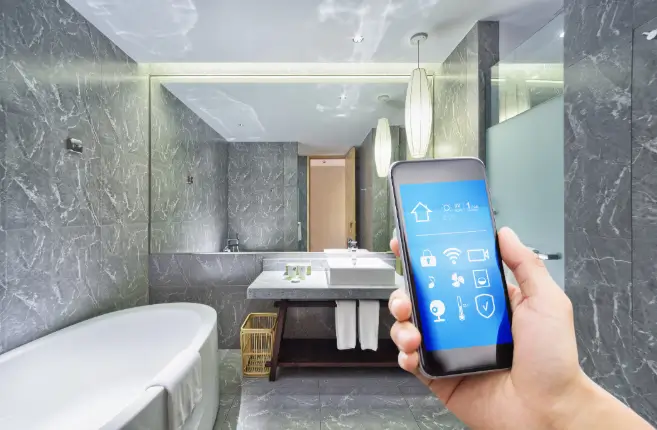
Walk into an average Australian home and you will find technology almost everywhere. Voice assistants in the kitchen, smart speakers in the lounge, video doorbells at the front, robot vacuums under the couch and phones controlling lights, heating and security cameras. The bathroom, though, has stayed surprisingly analogue in most homes. Taps, a toilet, a shower and perhaps an exhaust fan that rattles. That is starting to change, and the shift is happening quietly, one fixture at a time.
Smart bathroom technology is less about gadgets and more about comfort, hygiene and efficiency.
Why the Bathroom Lagged Behind
Water and electronics have never been the most comfortable combination, which partly explains why the bathroom has been slow to modernise. Building codes rightly impose strict rules on electrical fittings in wet areas. Bathrooms also tend to be renovated less often than kitchens, and when they are, budgets typically go to tiles, vanities and showers rather than technology.
Advances in waterproofing, low-voltage components and wireless controls have removed many of those barriers. Products designed specifically for wet areas are now safer, more reliable and easier to install.
Showers That Remember You
Digital shower systems allow users to set an exact temperature and flow, saved as personal presets. Some can be started from a phone, so the shower is warm by the time you walk in. Thermostatic control prevents sudden temperature changes when someone flushes a toilet elsewhere in the house, which is especially valuable for children and older family members.
Water usage tracking is another growing feature, helping households understand and reduce consumption, which can be appealing in drought-prone regions.
Mirrors With More to Offer
Heated demister pads have been around for years, preventing mirrors from fogging after a hot shower. Newer mirrors integrate LED lighting with adjustable colour temperature, from warm evening tones to bright daylight for detailed grooming. Some include Bluetooth speakers, digital clocks or display screens showing weather and calendar information.
These features may sound like luxuries, but good lighting in particular has a practical effect on daily routines.
The Toilet Gets Smarter Too
Perhaps the most significant change is happening at the toilet. Long popular in Japan and South Korea, advanced toilet seats are now increasingly common in Australian homes. Electronic bidet seats replace a standard toilet seat and add features such as adjustable warm water cleansing, heated seats, warm air drying, automatic deodorising and self-cleaning nozzles, all operated through a side panel or wireless remote.
Some models include motion sensors that light the bowl at night or lift the lid automatically. Others store user profiles, so each family member’s preferred water temperature and pressure are ready at the touch of a button. Energy-saving modes learn usage patterns and reduce power consumption during quieter hours.
Ventilation That Thinks for Itself
Exhaust fans are often left off, or left on long after they are needed. Humidity-sensing fans switch on automatically when moisture levels rise and turn off once the air has cleared. This protects paint, grout and ceilings from mould and saves energy. Some can be integrated with home automation systems for scheduling.
Leak Detection and Water Safety
Small sensors placed under vanities and behind toilets can detect leaks early and send alerts to your phone. Some systems connect to smart valves that shut off water automatically if a leak is detected. For holiday homes, rental properties or anyone who travels frequently, this offers valuable peace of mind and protection against costly water damage.
Planning a Smart Bathroom
If you are renovating, think about power needs early. Many smart fixtures require a nearby power point installed to wet-area standards, which must be done by a licensed electrician. Running cabling before walls are closed and tiled is far easier than retrofitting later.
If you are not renovating, focus on plug-and-play upgrades that work with existing infrastructure. Smart lighting, leak sensors and replacement toilet seats can often be added without major work, provided suitable power is available.
Keeping It Simple
Technology should make life easier, not more complicated. Before buying, consider who will use the bathroom and how. Older relatives may prefer large, clearly labelled buttons rather than app controls. Children need features that are intuitive and safe. Guests should be able to use everything without a tutorial.
Look for products with straightforward controls, reliable local support and spare parts availability. A long warranty and an Australian supplier who can answer questions after purchase are often worth more than an extra feature you will rarely use.
A Room Worth Rethinking
Few rooms in the house get as much use as the bathroom, visited many times a day by every member of the household. Small improvements in comfort and hygiene compound quickly. As smart technology becomes more affordable and better designed for wet environments, it is likely that the bathrooms of the next decade will look very different from the ones we grew up with, and many people will wonder how they ever managed without these quiet conveniences.
