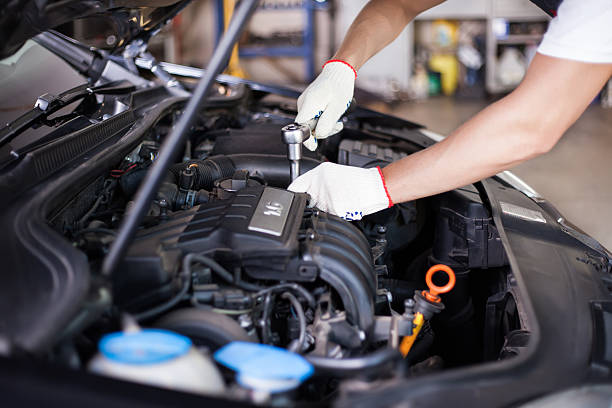
Finding an affordable auto repair shop can be challenging, especially when your vehicle needs an unexpected repair. A low estimate may seem attractive, but choosing a repair provider based only on price can sometimes lead to poor-quality work, repeated visits, and additional expenses.
The goal is to find a shop that offers fair pricing, qualified technicians, suitable replacement parts, and transparent service. Whether you need routine maintenance, brake repairs, tire replacement, or help diagnosing an engine problem, knowing what to compare can help you make a better decision.
Here are practical ways to find affordable auto repair shops without putting your vehicle’s safety at risk.
1. Compare Local Auto Repair Shops Before Booking
Repair costs can vary depending on the shop’s labour rates, location, parts, equipment, and experience. Comparing multiple providers helps you understand the typical price for a particular service instead of accepting the first estimate you receive.
Start by identifying shops that handle your vehicle’s make, model, and repair requirements. A provider experienced with your type of vehicle may be better equipped to diagnose the issue accurately and recommend the appropriate work.
What to Look for When Comparing Shops
Consider more than the advertised price. Check:
- Customer reviews: Look for consistent feedback about repair quality, communication, and pricing.
- Technician experience: Ask whether technicians have experience with your vehicle and the required repair.
- Service transparency: Choose shops that explain diagnoses and provide written estimates.
- Warranty coverage: Understand whether parts and labour are covered after the repair.
If you are searching for auto repair shops close to me, Way.com can help you explore nearby repair providers, review available services, and compare shop information before booking. This makes it easier to consider your options rather than choosing a provider simply because it is the closest one.
2. Request Written Estimates and Understand the Charges
A repair estimate helps you understand what you are paying for and whether the recommended work is necessary. Before approving an expensive repair, consider requesting estimates from at least two shops.
A detailed estimate should separate parts, labour, diagnostic fees, and other applicable charges. This makes it easier to compare providers and identify differences in the proposed work.
Questions to Ask About a Repair Estimate
Before authorising the repair, ask the mechanic:
- What exactly is wrong with the vehicle?
- Which repairs are essential, and which can wait?
- Are the quoted parts new, aftermarket, or remanufactured?
- Are diagnostic charges included in the estimate?
- Will I be contacted before additional work is performed?
The Federal Trade Commission recommends getting a written estimate that identifies the condition to be repaired, required parts, and anticipated labour charges. It also advises consumers to establish that the shop will seek approval before exceeding an agreed amount.
A clear estimate protects your budget and helps prevent unexpected charges.
3. Understand the Difference Between Essential and Optional Repairs
Not every repair recommendation has the same level of urgency. Some problems affect immediate driving safety, while others involve maintenance or comfort features that can be planned for later.
Ask the mechanic to explain the consequences of delaying each recommended service. A trustworthy technician should be able to distinguish between urgent repairs, preventive maintenance, and optional work.
Prioritise Repairs That Affect Safety
Certain vehicle systems should receive prompt attention:
Brakes: Grinding noises, a sinking brake pedal, or reduced stopping performance require professional inspection.
Tires: Damaged sidewalls, insufficient tread, and persistent pressure loss can affect vehicle handling and traction.
Steering and suspension: Unusual vibrations, excessive bouncing, or difficulty controlling the vehicle may indicate a mechanical problem.
Engine cooling: Coolant leaks or overheating can cause serious engine damage. If the engine overheats, stop driving when safe and arrange assistance.
Do not postpone repairs that make the vehicle unsafe to operate. If you are unsure whether it is safe to drive, ask a qualified technician rather than taking a risk.
4. Choose Replacement Parts Based on Quality and Compatibility
Replacement parts can make a noticeable difference to the total repair bill. However, the lowest-priced component is not necessarily the most economical choice over time.
Depending on the repair, a shop may offer original equipment manufacturer (OEM), aftermarket, remanufactured, or used parts. Each option has different considerations involving price, condition, compatibility, and warranty coverage.
Compare Your Available Parts Options
OEM parts are made by or for the vehicle manufacturer and are designed for the relevant application. Aftermarket parts are produced by independent manufacturers, with quality varying between brands and products.
Remanufactured parts have been restored to working condition, while used parts are taken from previously operated vehicles.
Before approving an alternative, confirm that the part meets the vehicle manufacturer’s specifications and is suitable for the repair. For brakes, steering, suspension, and other safety-critical systems, prioritise reliable quality and correct fitment over the lowest price.
Also ask whether the replacement part comes with a warranty and whether the warranty covers labour if the part fails.
5. Save on Repairs Through Preventive Maintenance
Preventive maintenance can help reduce the likelihood of unexpected breakdowns and expensive repairs. Small checks performed regularly can identify developing problems before they affect other vehicle components.
Follow the maintenance schedule in your owner’s manual because service intervals vary by vehicle and driving conditions.
Maintenance Tasks That Help Control Costs
Pay attention to these routine checks:
- Engine oil: Use the recommended oil grade and follow the manufacturer’s replacement interval.
- Tire pressure: Check pressure at least monthly and before long journeys.
- Brake system: Have brake pads, rotors, and fluid inspected according to the maintenance schedule.
- Vehicle fluids: Monitor coolant, brake fluid, and other fluids specified by the manufacturer.
- Battery and lights: Check battery condition and make sure exterior lights work correctly.
NHTSA highlights the importance of regular tire maintenance. Proper inflation supports handling, tire life, and fuel efficiency. Its guidance also recommends checking tire pressure regularly rather than relying only on the tire pressure monitoring system.
Consistent maintenance helps you plan expenses instead of waiting for a sudden repair bill.
6. Consider Independent Shops and Dealerships
Independent repair shops and authorised dealerships can both be suitable choices, depending on your vehicle and the work required. Comparing them can help you find the right balance between price, expertise, and convenience.
Independent shops may offer competitive labour rates and personalised service. Dealerships may have manufacturer-specific diagnostic equipment, technical information, and experience with particular models.
Which Option Should You Choose?
Consider an independent shop for routine maintenance or common repairs when it has qualified technicians and the appropriate equipment.
A dealership may be worth considering for manufacturer-specific issues, specialised repairs, or situations where access to particular technical resources is important.
Regardless of the provider, compare the proposed repair, parts, warranty, and total estimate. Do not assume that one type of shop is always cheaper or better for every vehicle.
7. Check Warranty Coverage Before Paying Out of Pocket
Before approving a repair, review your vehicle’s manufacturer’s warranty, extended service contract, or any warranty covering a previously replaced component.
Some repairs may qualify for coverage, depending on the vehicle’s age, mileage, component, and contract terms. Paying for the work without checking first could mean missing an opportunity to reduce your expenses.
What to Verify
Check whether the faulty component is covered, whether a deductible applies, and whether the repair requires prior approval. Also confirm which repair facilities are permitted under your agreement.
Keep copies of service invoices and maintenance records. These documents can help establish your vehicle’s repair history and support a warranty-related claim when applicable.
8. Avoid Choosing a Shop Based Only on the Lowest Price
An unusually low estimate deserves further investigation. It may exclude diagnostic charges, use different replacement parts, or cover fewer services than another shop’s quote.
Ask each provider to explain exactly what is included. Compare the same repair scope, parts specifications, labour, and warranty terms to make the comparison meaningful.
A slightly higher estimate may represent better value if it includes suitable parts, qualified workmanship, and clear warranty protection. The important factor is the overall quality and reliability of the repair, not simply the amount on the invoice.
Conclusion
Finding affordable auto repair shops does not mean sacrificing your vehicle’s safety. It means comparing providers carefully, understanding repair estimates, choosing compatible parts, and keeping up with preventive maintenance.
Before booking, review customer feedback, ask about technician experience, and make sure the shop explains its recommendations. Prioritise safety-critical repairs and avoid delaying problems that could make your vehicle unsafe to drive.
With a little research and regular maintenance, you can manage repair expenses more effectively while keeping your vehicle dependable on the road.
